In general, environmental pollution in Argentina is
higher than what you might expect in a country with such environmental laws. As
a result of the fragmentation of institutional responsibilities and the lack of
national coordination, there was a box that allows environmental situation
confusing attitudes.
Environmental information is fragmented and is not
available for most of the people interested in the subject. This generates the
sense that there is little pollution monitoring of air and water bodies. There
are also no available analysis of the health effects and economic costs.
Contamination of groundwater is considered by some
international organizations like the most important pollution problem in
Argentina. This is due to the health risks of a large portion of low-income
households that depend on groundwater for their daily needs. The main source of
this contamination are septic tanks and industrial wastewater. In many cases,
there is garbage next to the slums, where most households depend on groundwater.
In this case, the most effective solution is to promote the extension of
sanitation and drinking water to low-income neighborhoods that are currently
not.
Three types of contamination
·
water pollution
What pollutes water?
Pathogens. - Bacteria, viruses, protozoa, parasites from
entering the waste water with orgánicos.pos of
Wastes that require oxygen. - Organic waste can be decomposed by
bacteria that use oxygen to biodegradarlos. If there are large populations of
these bacteria can deplete oxygen in the water, killing aquatic life forms.
Inorganic Chemicals. - Acids, compounds of toxic metals
(mercury, lead), poison the water.
Plant nutrients can cause excessive growth of aquatic plants
that then die and decompose, depleting the water of oxygen and thus cause the
death of marine species (dead zone).
Organic chemicals. - Oil, plastics, pesticides, detergents life
threatening.
·
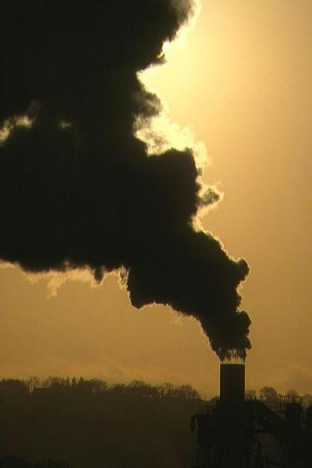
air Pollution
Air pollution is defined as any change is likely to
cause environmental impact by the addition of gases or solid or liquid
particles suspended in different proportions to contaminants that may endanger
animals, rocks and plants and attack different materials , reduce visibility
and cause unpleasant odors.
The name of air pollution generally applies to changes that have
peculiar effects before living beings and material elements, and not other
harmless abnormalities. The main mechanisms of atmospheric pollution are
industrial processes involving combustion, in industries such as automotive and
residential heating, which generate carbon dioxide and monoxide, oxides of
nitrogen and sulfur, among other contaminants. Similarly, some industries emit
harmful gases in their production processes, including chlorine and
hydrocarbons that have not made complete combustion.
·
Or audible noise pollution
It is called the excess noise sound that disrupts
normal ambient conditions in a given area. While noise does not accumulate,
moved or maintained over time as the other pollutants, can also cause extensive
damage to the quality of life of people if not properly controlled.
The term noise refers to noise (defined as excessive and
annoying sound) caused by human activities (traffic, industry, entertainment,
aircraft, etc..), Which has adverse effects on hearing health, physical and
mental individuals.
This term is closely related to the noise because this is where
the noise is considered a pollutant, ie an annoying sound that can produce
harmful physiological and psychological effects to a person or group of
persons.

No hay comentarios:
Publicar un comentario